MCoating International | Why Weight Matters: A Step Inside a Yacht Design Studio | The Fundamentals of Yacht Building
MCoating International | Why Weight Matters: A Step Inside a Yacht Design Studio | The Fundamentals of Yacht Building
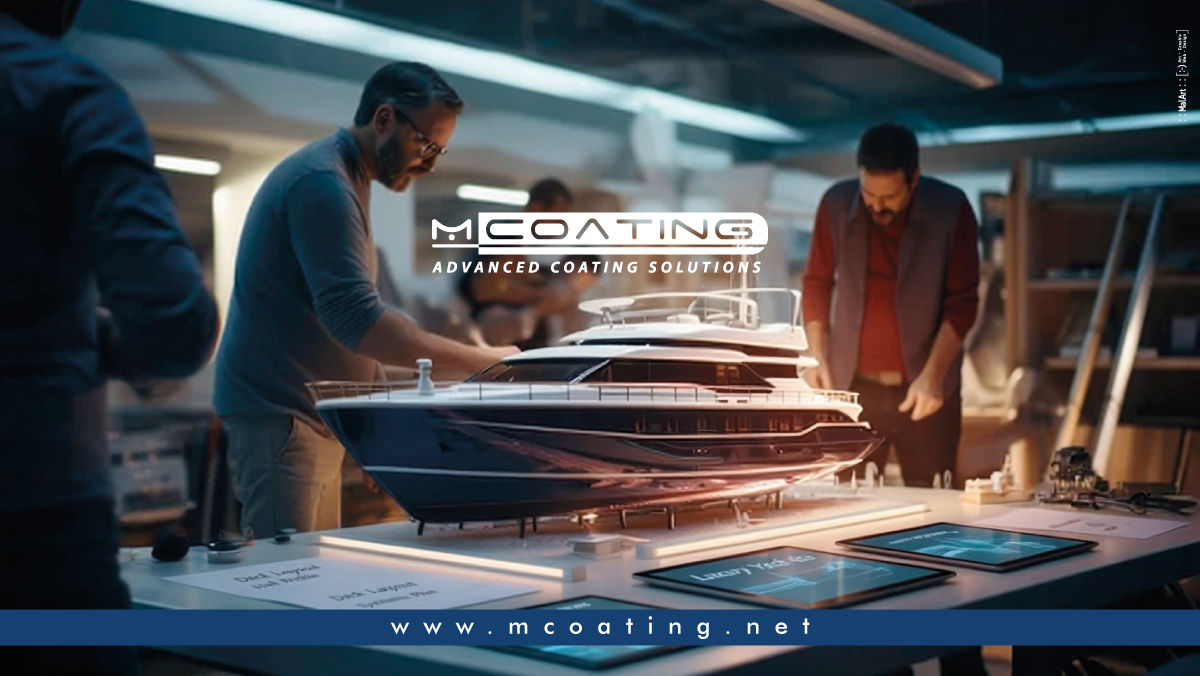
Technical drawings spread across large tables. Hull sections and structural calculations. Scale models and books on naval architecture lining the shelves. Design plans pinned to the walls alongside photographs of iconic yachts.
This is the atmosphere inside a yacht engineering and design studio, where every line, every material and every detail is carefully evaluated long before a yacht ever touches the water.
From structural integrity and weight optimisation to aesthetics, onboard comfort, innovation and fuel efficiency, every decision contributes to transforming a vision into an extraordinary vessel.
Let's step inside the world of the professionals behind some of the world's finest yacht designs, where engineering excellence meets design vision.
This combination has made Italian and Dutch yacht design a global benchmark, blending creativity with technical expertise to create yachts that are as beautiful as they are efficient.
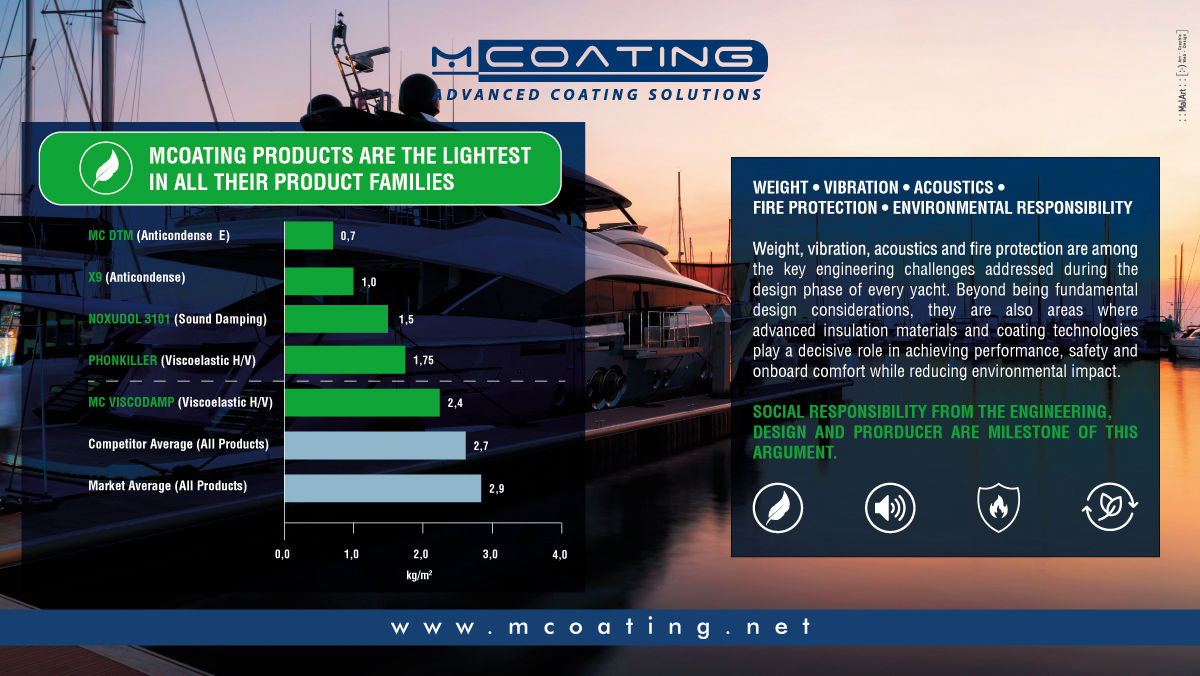
Weight, Vibration, Acoustics and Fire Protection are among the key engineering challenges addressed during the design phase of every yacht.
Beyond being fundamental design considerations, they are also areas where advanced insulation materials and coating technologies play a decisive role in achieving performance, safety and onboard comfort while reducing environmental impact.
Today, luxury and sustainability are no longer opposing concepts.
Modern engineering makes it possible to build yachts that offer exceptional comfort and performance while using environmentally responsible materials designed with recyclability and circularity in mind.
Engineering responsibility, together with responsible design and manufacturing, has become one of the cornerstones of modern yacht construction.
Structural weight is one of the most important parameters influencing the entire naval architecture of a yacht. It directly affects displacement, speed, fuel consumption, hydrodynamic efficiency, payload capacity, deadweight, stability and overall performance.
Weight distribution is carefully managed both horizontally and vertically.
Particular attention is paid to the vessel's metacentric height, which is essential for ensuring stability and maintaining the correct righting moment throughout the yacht's operating conditions. Every kilogram matters. Reducing structural weight without compromising strength, safety or durability is one of the greatest engineering challenges in modern yacht design.
Material selection, structural optimisation and the integration of lightweight solutions all contribute to achieving the optimum balance between performance, efficiency and onboard comfort.
For this reason, engineering departments carefully calculate not only the structural components of a yacht, but also the weight and performance of every insulation and coating system specified in the project.
These calculations are part of the overall weight budget and are essential to achieving the vessel's design targets.
However, these engineering efforts can easily be undermined when specified materials are replaced during production with alternatives selected primarily on the basis of purchase price rather than verified technical performance.
Anticondensation systems are engineered to be lightweight, efficient and easy to apply. Engineering departments carefully calculate the required thickness, weight and expected performance.
Unfortunately, many shipyards still delegate the final product selection to application contractors whose primary objective is often to minimise the initial purchase cost.
As a consequence, years of research and development, laboratory testing and engineering calculations can be compromised if the specified materials are replaced with alternatives simply because they appear less expensive.
We frequently hear:
"We let the application company choose because they know the products."
While application specialists possess valuable practical experience, product selection should remain an engineering decision rather than a purchasing decision.
Selecting a product based solely on its price per litre can lead to higher material consumption, increased vessel weight, lower thermal and acoustic performance, reduced durability, greater environmental impact and higher lifecycle costs.
It is like cleaning a room by hiding the dust under the carpet. The room may appear clean, but the problem has simply been concealed.
Our objective is to support naval architects, designers and shipyards by ensuring that the original engineering specifications are respected throughout production, including coating thickness, dry weight, performance and quality control.
MCoating International | Table of Competitor Products & Market Average
When comparing coating or insulation systems, never consider only the price.
Always evaluate solid volume, specific weight, maximum wet film thickness per application, drying time, thermal conductivity, environmental profile, price per litre, performance guarantees and final dry weight per square metre.
The final dry weight is often one of the most important parameters because it directly affects the overall weight of the yacht.
MCoating International is a Dutch-Italian Company providing innovative solutions for the Marine, Superyacht, Offshore and Industrial sectors.
Our expertise includes Thermal and Acoustic Insulation, Anticondensation, Passive Fire Protection, Antifouling, Corrosion Protection and Lightweight Insulation Panels for Engine Rooms and Technical Spaces.
More than coatings, we deliver complete Marine Performance Systems designed to improve Comfort, Safety, Energy Efficiency and Durability while reducing Weight, Maintenance and Operating Costs.
Combining Advanced Materials, Engineering Support and Practical Experience, we help Shipyards, Owners and Contractors find the most effective solution for every project.
Need advice for your next project? Contact our specialists today..

Laagraven 5D
3439 LG Nieuwegein
Utrecht - NL
KvK: 57563071
BTW: NL002525552B18
©2004- MCoating | Advanced Coating Solutions - All Rights Reserved | Credits |